Mechanical: A Bold Choice for Strategic Design
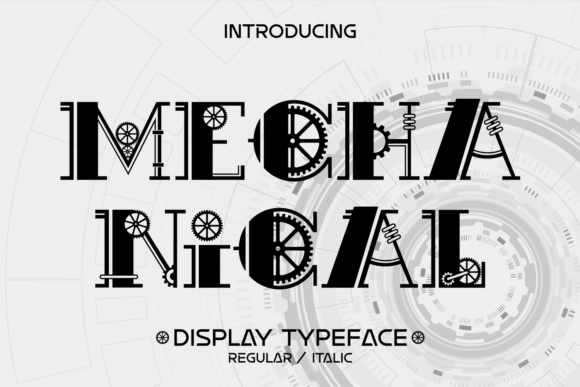
When it comes to design, the right font can make a significant difference in how a message is received and understood. Mechanical is a unique typeface that stands out due to its mechanical aesthetic, composed entirely of capital letters from the Latin alphabet. This font isn't just about style; it's a strategic tool that can enhance communication, branding, and visual identity when used thoughtfully.
Designed with a mechanism-inspired look, Mechanical offers a clean, structured appearance that conveys precision and reliability. Its use is particularly effective in contexts where clarity and professionalism are essential. Whether you're creating a logo, designing a poster, or developing a brand identity, Mechanical provides a distinctive visual language that can help your message stand out.
Strategic Use of Mechanical in Branding
For entrepreneurs and small business owners, branding is more than just a logo—it's the foundation of how customers perceive your business. Mechanical can play a crucial role in this process by offering a strong, memorable visual element. When used consistently across marketing materials, it reinforces brand identity and helps build recognition.
Consider using Mechanical for your company's name or key slogans. The font's boldness and structure make it ideal for headlines and titles, drawing attention while maintaining a professional tone. However, it's important to balance its use with other fonts to avoid overwhelming the audience. A well-thought-out typographic hierarchy ensures that Mechanical enhances rather than detracts from the overall design.
Enhancing Communication Through Visual Clarity
In a world where information is abundant, clear communication is more important than ever. Mechanical's straightforward design makes it an excellent choice for headings and subheadings in documents, presentations, and digital content. Its simplicity allows readers to quickly grasp the main points without distraction.
For educators and professionals, this clarity can be especially valuable. In textbooks, reports, and training materials, Mechanical can help organize information and guide the reader through complex topics. By using it strategically, you can improve comprehension and retention, making your content more effective and engaging.
Practical Applications in Design Projects
Designers and creatives often seek fonts that offer both functionality and aesthetics. Mechanical fits this need by providing a versatile option for various projects. From packaging to magazines, this font can add a touch of industrial elegance that complements modern design trends.
When working on a project, consider the context and audience. For example, if you're designing a product label, Mechanical can convey a sense of quality and innovation. In a magazine layout, it can serve as a striking headline that captures attention. The key is to align the font's characteristics with the project's goals and the target audience's expectations.
Planning and Decision-Making with Mechanical
Before incorporating Mechanical into your design, it's essential to plan carefully. Start by defining your objectives. Are you looking to create a strong brand identity, improve readability, or add a unique visual element? Understanding your goals will help you determine how and where to use the font effectively.
Consider the following steps when planning your use of Mechanical:
- Define your purpose: Determine what you want to achieve with the font. Is it for branding, communication, or visual impact?
- Understand your audience: Think about who will see your design and how they might respond to the font.
- Test different applications: Experiment with Mechanical in various contexts to see how it performs and adjust as needed.
- Balance with other elements: Ensure that Mechanical complements other design elements rather than overpowering them.
By taking these steps, you can make informed decisions that lead to better outcomes and a more cohesive design strategy.
Long-Term Value and Consistency
Consistency is key in any design strategy. Using Mechanical consistently across all platforms and materials helps reinforce your brand's identity and builds trust with your audience. Over time, this consistency can lead to stronger recognition and a more professional image.
However, it's important to remain adaptable. As your business or project evolves, you may find that the needs of your audience change. Regularly reviewing and updating your design choices ensures that Mechanical continues to serve its intended purpose effectively.
Risks of Unintentional Use
While Mechanical offers many benefits, it's not a one-size-fits-all solution. Using it without clear goals or context can lead to confusion and dilute the effectiveness of your design. For instance, applying it to body text may reduce readability and make your content less accessible.
Additionally, overuse of Mechanical can make your design feel repetitive or unoriginal. It's important to strike a balance between creativity and practicality. Consider using it selectively and pairing it with other fonts that complement its structure and style.
Conclusion: Intentional Use for Better Results
Mechanical is more than just a font—it's a strategic tool that can enhance your design work when used intentionally. By understanding its strengths and limitations, you can make informed decisions that support your goals and improve your results.
Whether you're building a brand, communicating complex ideas, or creating visually compelling content, Mechanical offers a unique way to express your message. With careful planning and thoughtful application, it can become a powerful asset in your design arsenal.