Dog Style: A Bold, Playful Font for Creative Projects
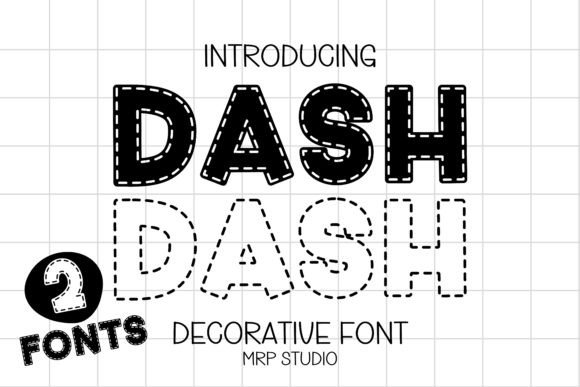
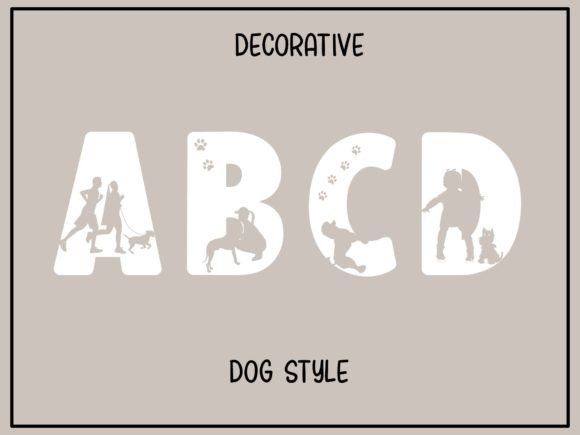
Dog Style is a thick-lettered, fun-looking decorative font that brings energy and personality to any design. Its bold strokes and whimsical curves make it ideal for children-themed projects, but its versatility extends far beyond that. Whether you're designing a logo, creating a marketing campaign, or working on a personal project, Dog Style offers a unique visual identity that stands out.
What makes Dog Style particularly appealing is its ability to convey playfulness without sacrificing readability. The font balances charm with clarity, making it suitable for both digital and print formats. Its strong, blocky appearance gives it a sense of confidence, while the subtle irregularities in each letter add a handcrafted feel that feels approachable and friendly.
Why Dog Style Works for Children-Themed Designs
When it comes to children's content, the right typography can make all the difference. Dog Style's playful aesthetic aligns perfectly with the tone of educational materials, storybooks, toys, and branding for kids. Its boldness ensures that text remains visible and engaging, even at smaller sizes. Combined with bright colors, it creates a visually striking composition that captures attention and sparks imagination.
For educators and parents, Dog Style can be used to create eye-catching worksheets, flashcards, or classroom decorations. For designers working on children's products, it helps establish a brand that feels fun and inviting. Marketers targeting families can use it to craft promotional materials that resonate emotionally with their audience.
Expanding Beyond Kids: Creative Applications of Dog Style
While Dog Style is often associated with children's themes, its dynamic look can also work well in other creative contexts. It’s an excellent choice for branding in industries that want to appear energetic and modern—such as food, entertainment, or tech startups. The font adds a sense of fun and approachability, making it ideal for logos, social media posts, or packaging designs.
For bloggers and content creators, Dog Style can be used to highlight key points in articles, create attention-grabbing headlines, or design custom graphics for social media. It works especially well when paired with vibrant color schemes or illustrative elements that reinforce the playful nature of the font.
Freelancers and small business owners can use Dog Style to differentiate their work in competitive markets. Whether it's a website header, a brochure, or a product label, the font helps create a memorable visual presence that stands out from more traditional typefaces.
How to Use Dog Style Effectively
To get the most out of Dog Style, consider the context in which it will be used. While it's great for headings and short phrases, it may not be the best choice for long blocks of text. Instead, use it strategically to draw attention to key elements like titles, callouts, or slogans.
When pairing Dog Style with other fonts, aim for balance. If the main body text is clean and minimal, Dog Style can provide a nice contrast. If the surrounding design is already busy, keep the use of Dog Style simple and intentional.
Color choices are also important. Bright, bold hues like red, yellow, and blue can enhance the playful nature of the font. However, softer tones like pastels or muted shades can give it a more refined, modern look. Experiment with different palettes to find the one that best suits your project's tone and audience.
Adapting Dog Style for Different Audiences and Platforms
The way Dog Style is used can vary depending on the target audience and platform. For example, on a children's website, it might be used in large, colorful headers to grab attention. On a corporate blog, it could appear in a more subdued form as a subheading or graphic element.
On social media, Dog Style can help create eye-catching visuals that stand out in a crowded feed. It's perfect for Instagram stories, Facebook posts, or Twitter banners. When used in these formats, it can help build brand recognition and create a cohesive visual identity across platforms.
For print materials, such as flyers or posters, Dog Style can add a sense of urgency and excitement. It's effective for event promotions, sales announcements, or community notices where quick, clear communication is essential.
Best Practices for Consistent and Effective Design
To maintain consistency when using Dog Style, define clear guidelines for its application. Decide on the appropriate sizes, spacing, and color combinations that work best for your project. This helps ensure that the font remains readable and visually appealing across different formats.
Originality is key when working with decorative fonts like Dog Style. Avoid overusing it or applying it to every element of a design. Instead, focus on using it where it has the most impact. This keeps the overall design fresh and avoids visual clutter.
Finally, always test your designs with the intended audience. What looks good on a screen might not translate well to print, and what works for one demographic might not resonate with another. Gather feedback and refine your approach to ensure that Dog Style enhances, rather than detracts from, your message.
Conclusion: Embrace the Playful Power of Dog Style
Dog Style is more than just a font—it's a creative tool that can bring energy, personality, and clarity to your designs. Whether you're working on children's content, branding, or personal projects, its bold, playful look offers a unique way to express your ideas. By using it thoughtfully and purposefully, you can create designs that are both visually engaging and functionally effective.