Jelly Fox: A Playful and Professional Font for Creative Projects
When it comes to choosing a font that balances creativity with clarity, Jelly Fox stands out as a versatile option. This decorative font offers two distinct variations—Jelly Fox Regular and Jelly Fox Highlight—that cater to different design needs. Whether you're working on branding, social media content, or print materials, understanding the nuances of these styles can make a significant difference in your final output.
What Is Jelly Fox and Why Does It Matter?
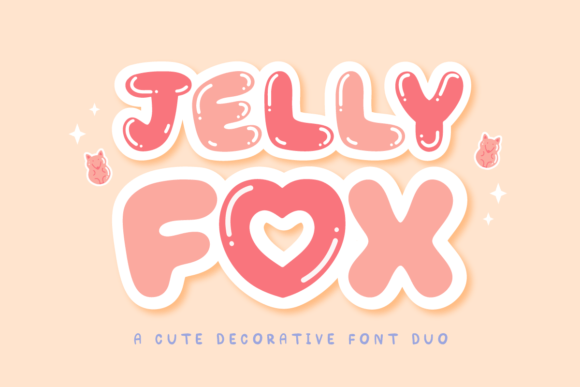
Jelly Fox is a decorative typeface designed to add a touch of whimsy and personality to any project. Its unique shapes and playful curves make it ideal for designs that aim to capture attention without sacrificing readability. The font’s name hints at its character—jelly-like, soft, and slightly bouncy, which gives it an approachable feel.
The Jelly Fox Duo includes two versions: Regular and Highlight. While both share the same core style, they serve different purposes. Regular is more subdued and suitable for body text or longer paragraphs, while Highlight adds a pop of color and emphasis, making it perfect for headlines or callout text.
Mistakes to Avoid When Using Jelly Fox
Despite its charm, Jelly Fox isn't a one-size-fits-all solution. One common mistake is using it in large blocks of text. While the font looks great in short phrases or titles, it can become difficult to read when used extensively. This can lead to poor user experience, especially in digital formats where legibility is key.
Another oversight is not considering the context of use. For example, a highly stylized font like Jelly Fox may not be appropriate for formal documents, business reports, or professional websites. It’s important to match the font’s tone with the overall message of your project.
How to Use Jelly Fox Effectively
To get the most out of Jelly Fox, start by identifying the purpose of your design. If you’re creating a logo or a promotional banner, the Highlight version can add visual interest and draw attention. However, if you’re designing a website or app interface, the Regular version might be better suited for headings or subheadings, paired with a more neutral font for body text.
Consider the size and spacing as well. Jelly Fox has a distinctive shape, but it may require extra padding or line height adjustments to ensure it looks clean and professional. Testing the font in different sizes and layouts can help you avoid issues like overcrowding or poor contrast.
Common Misconceptions About Decorative Fonts
Some users assume that decorative fonts are only for creative or casual projects. While it's true that they often carry a more informal tone, they can also be used effectively in professional settings when applied thoughtfully. The key is to balance aesthetics with functionality.
Another misconception is that all decorative fonts are hard to read. While some may struggle with legibility, others like Jelly Fox are designed with readability in mind. However, it’s always wise to test the font in real-world scenarios before finalizing your design.
Best Practices for Choosing and Applying Jelly Fox
Before downloading or purchasing Jelly Fox, check the licensing terms. Some fonts may have restrictions on commercial use, which could affect your project if you’re not careful. Always verify that the license covers your intended use, whether it’s personal, freelance, or business-related.
Additionally, consider the platforms where your design will be displayed. Jelly Fox may render differently on web browsers, mobile devices, or print materials. Previewing your work across multiple mediums can help you spot inconsistencies and adjust accordingly.
Real-World Examples of Jelly Fox in Action
Imagine you're designing a social media campaign for a children's book. Using Jelly Fox Highlight as the main title can instantly convey a sense of fun and excitement. Pairing it with a simple sans-serif font for the description ensures that the message remains clear and easy to read.
On the other hand, if you're creating a landing page for a tech startup, using Jelly Fox Regular for a headline might add a unique touch without overwhelming the viewer. Just make sure it’s not the only font used—balance is essential for a polished look.
What to Check Before Using Jelly Fox
Before committing to Jelly Fox, ask yourself a few key questions. Does the font align with your brand’s identity? Will it be readable in all intended formats? Are there any technical limitations or compatibility issues? These considerations can prevent costly mistakes down the line.
Also, think about accessibility. If your audience includes people with visual impairments, a highly decorative font might not be the best choice. In such cases, opt for a more standard font that ensures clarity and inclusivity.
Final Thoughts on Jelly Fox and Design Choices
Jelly Fox is a powerful tool for adding personality to your designs, but it requires thoughtful application. By avoiding common pitfalls and following best practices, you can maximize its impact while maintaining professionalism. Whether you're a designer, marketer, or small business owner, taking the time to understand how to use this font correctly can elevate your work and improve your results.
Remember, the goal of any design is to communicate effectively. Jelly Fox can help you do that—but only if used wisely. With the right approach, it can transform your projects from ordinary to extraordinary.